The government has announced some measures including exemption in land revenue, crop loan restructuring, moratorium on loan recovery, electricity bill concessions, exam fee waiver for students, water supply and fodder management etc. but they are highly inadequate.
Moreover, the announced relief and the necessary assistance must also reach the affected farmers, agricultural labourers and other working classes immediately. Assistance to the landless, agricultural labourers, women, students, nomadic tribes, small businessmen and other artisans in the rural economy should also be considered on priority. The statistics up to Taluka level regarding actual assistance and benefits that reach to the affected including how many applications remain pending must be published by the government in a transparent manner.
Another big challenge is to immediately arrange fodder and water for livestock. Necessary measures and assistance are needed to sustain the dairy and poultry farming businesses which are an important source for supplementary income to the farmers of the state. According to the statistics released in October 2026, there is a total of 2.78 crore livestock in the state. There is a deficit of about 22.79% in the availability of green fodder and 21.43% in dry fodder. The government must take measures for adequate supply of fodder to save livestock and maintain their strength.

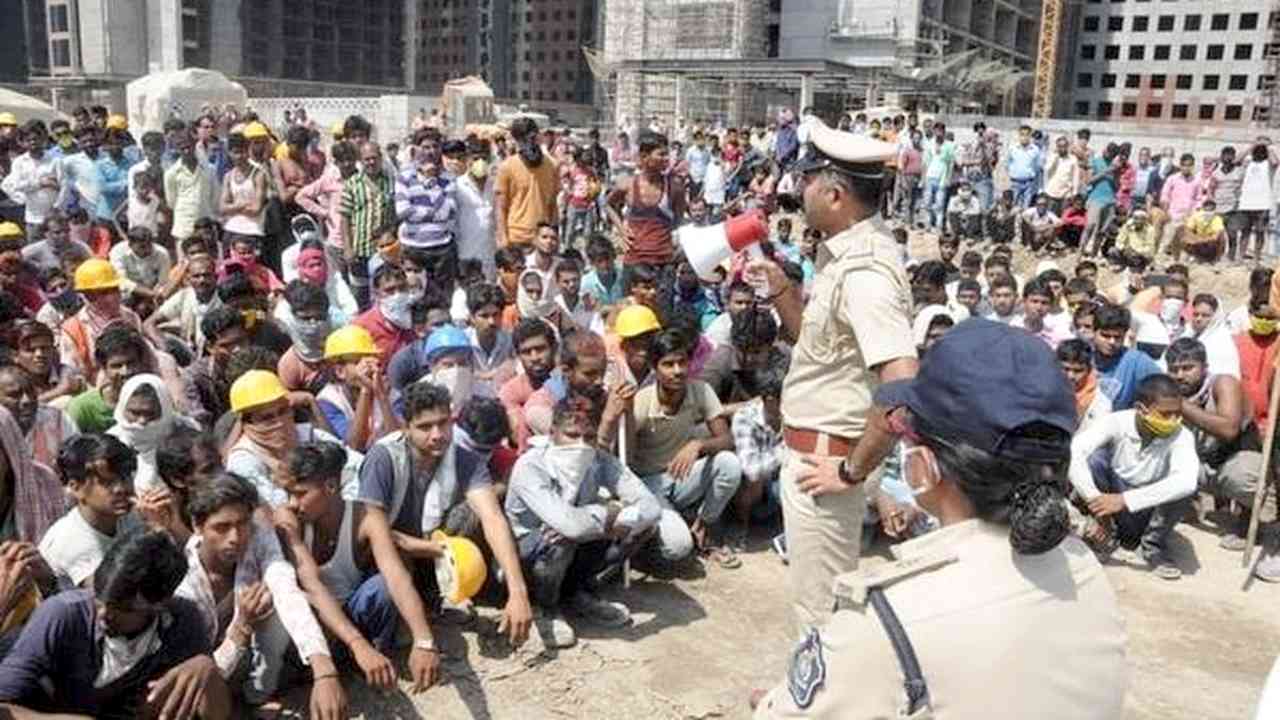
Due to the lack of employment opportunities during the drought, the migration of poor farmers and agricultural workers to cities has increased significantly. Rural employment guarantee scheme works need to be taken up for those who demand it, as per the Employment Guarantee Act of 1978. Providing employment guarantee work, payment of wages on time and ensuring unemployment allowance if work is not provided are crucial aspects in providing a minimum relief to the drought affected.
Also, priority should be given to soil and water conservation works in employment guarantee scheme. Works useful for drought prevention such as deepening and widening of drains, removing silt from percolation ponds, removing silt from dried dams to increase their storage capacity, and work under the watershed development component should be taken up. A village-wise employment plan should be prepared and weekly review of demand for work and wage related relief should be taken up.
Sugar producing cooperatives and privately owned factories are an important part of the rural economy of Maharashtra. This year's sugarcane production and sugar extraction will be affected with the crushing period being shorter than usual. The impact of this drought on sugarcane farming will be more severe in the next season. Financial and employment assistance to sugarcane cutters and seasonal sugar factory workers should be included in the government's package.
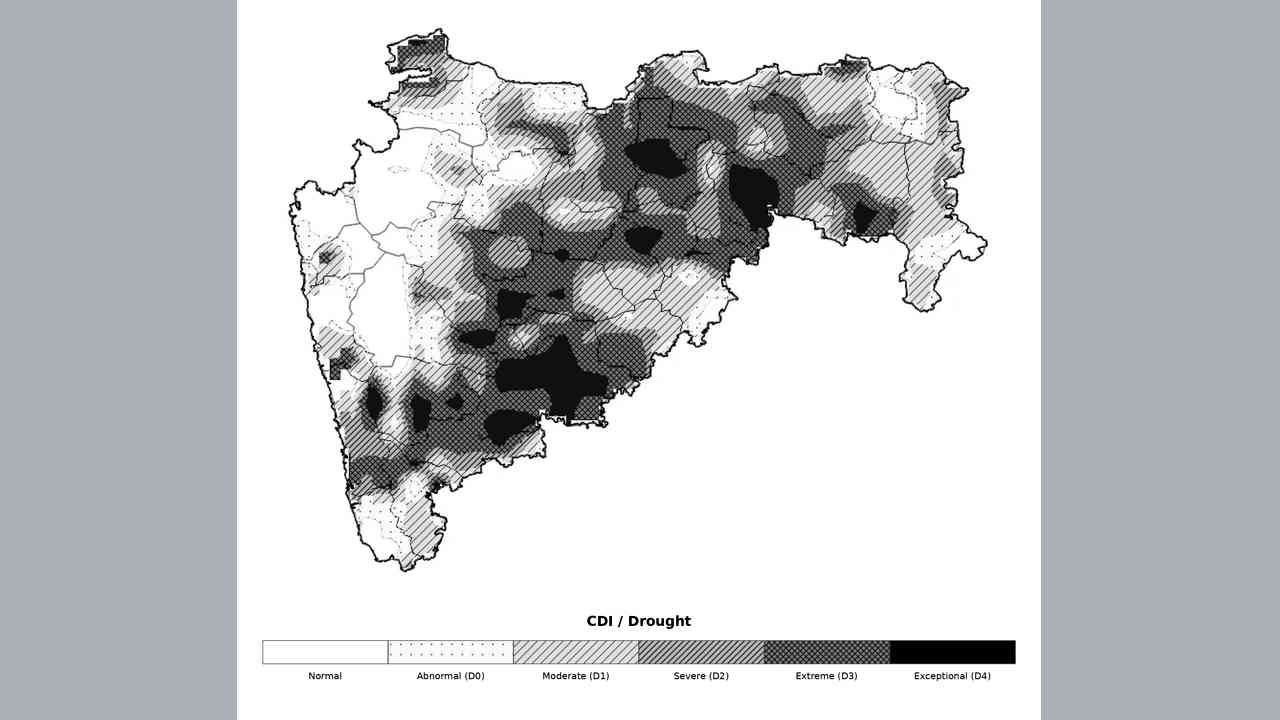
In the report till September, a deficit of 18.8% has been recorded in the rainfall since June. Considering the total stock of water in the dams and availability of drinking water in the state, according to the records available on the dashboard of the Water Resources Department, the live water storage of the dams in the state, as on October 20, is in a deficit of about 30 percent. Beer and liquor production, which uses water as raw material, should be banned till the next monsoon recharges.
The crisis in agriculture has become worse. The debt burden from Self help groups, NBFCs and mahajans has increased. The number of farmers committing suicide due to this vulnerability is increasing. Therefore, the government must also consider providing immediate assistance of Rs. 50,000 per acre to the farmers as well as to all agricultural labourers; complete waiver of all loans of farmers, women and agricultural labourers; provide 10 kg of food grains per person through the public distribution system as the prices of jowar, rice, oil, and sugar have already doubled; hoarding of foodgrains must not happen; and, use of foodgrains in industrial production should be stopped immediately.