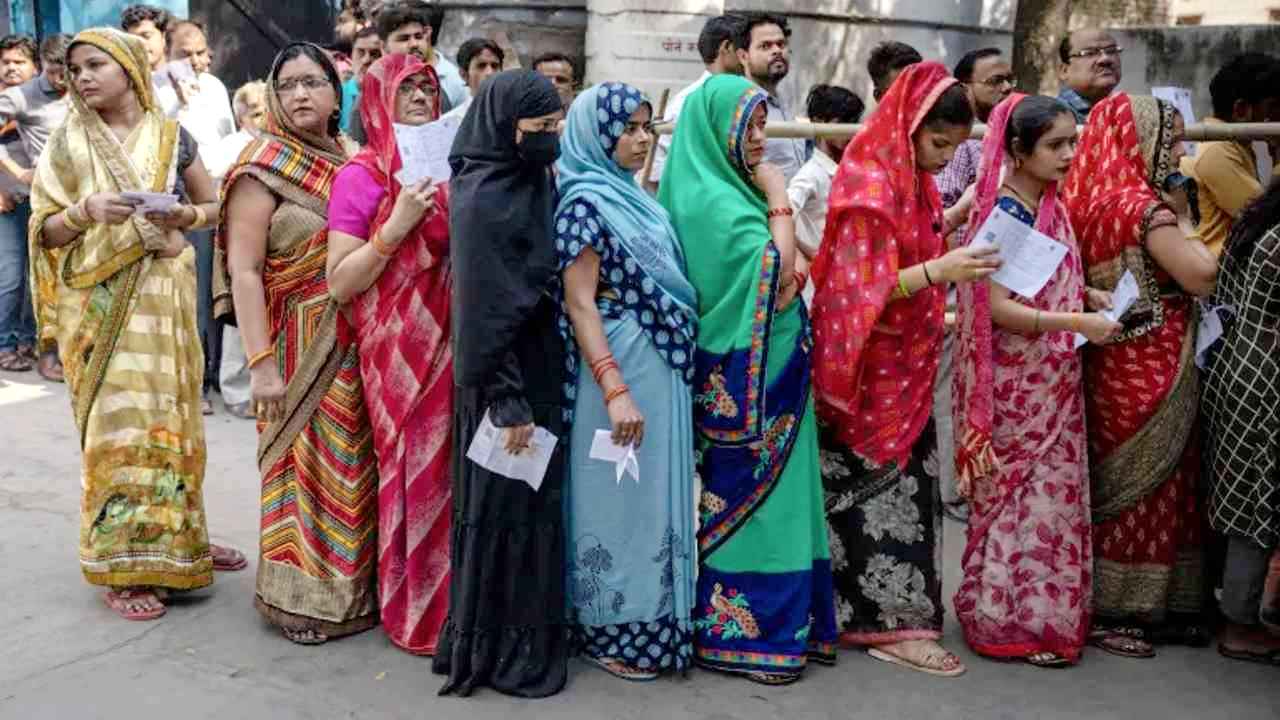
The biggest design fault of SIR is its refusal to accept any error. Every statistical exercise accepts the possibility of human error and provides for corrective mechanisms. In SIR, the EC asks every wrongfully deleted voter to apply afresh for inclusion by filling up Form 6, a form meant for enrolment of first-time voters. The Supreme Court intervention created a mechanism of tribunals in West Bengal, but the process is so opaque and slow that not even 100,000 appeals (out of a total of nearly four million) have been decided till date by the nineteen tribunals set up in the state. We are told that the tribunals have given favourable verdict on more than 90 per cent of the appeals that have been considered so far. But it is also reported that some three million appeals pending before the tribunals are actually appeals for further exclusion! In other words, the appellate route to restoration of the right to vote is almost blocked or indefinitely delayed.
The Supreme Court had hypothetically acknowledged the possibility of electoral outcomes being affected and even potentially reversed by SIR in the event of the scale of deletion being higher than the margin of victory. Were the Supreme Court to take suo moto cognizance of such irregularities and order repoll we would have seen several repolls already in Maharashtra, Bihar and West Bengal. It should also be noted that electoral outcomes are being affected not just by deletion but also by fraudulent or unfair inclusion of names. Intensive audits and post-poll physical verification of electoral rolls are revealing a significant incidence of dubious inclusion of names. With the Supreme Court effectively giving the Election Commission a free hand, with the SIR process, electoral democracy in India has thus become a permanent hostage to utter opacity and fraudulence.
Every election since 2024 has been subject to this systemic electoral manipulation. Even before the formal launch of SIR, the Election Commission made a crucial change regarding the submission of Form 7. While electoral roll is organised on the basis of polling booths, any voter in an Assembly Constituency can object to the existence or proposed inclusion of any number of voters not in his or her booth but in any booth of the same Assembly constituency. By expanding the scope of complaint from a particular booth to an entire constituency, the EC enabled the weaponisation of Form 7 on an industrial scale. The BJP is using it to the hilt to target potential opposition voters, especially those belonging to the Muslim community and various marginalised groups. While according to established legal provisions every voter who faces an exclusion complaint or appeal is entitled to receive a notice and get an opportunity of self-defence, millions of names are being deleted without compliance with this due legal process. There has been no redressal against such violations so far from the Supreme Court.
Ahead of the crucial forthcoming round of Assembly elections in Uttar Pradesh, Punjab, Uttarakhand, Goa and Manipur, India must get to the bottom of the SIR scam. Former Chief Election Commissioner S.Y. Quraishi has made out a strong case for criminal liability of the ECI for the ongoing tampering with the electoral roll in the name of SIR. If students can force the government back on the issue of paper leak, a determined and united resistance of the people can also halt the SIR expedition. A manipulated electoral roll will lead to permanent hijacking of India's electoral system and brazen subversion of democracy. The Supreme Court must hold the EC accountable for every unfair exclusion and ensure all deleted voters a fair chance to be rehabilitated in the electoral roll and exercise their voting right during the pendency of their appeals. This concerted assault on the right to vote strikes at the very foundations of electoral democracy. The growing precarity of democratic rights demands that citizens across the country stand up and resist this systematic attempt to disenfranchise people and capture the electoral process.